
The Neverending Story Literary Analysis: Transformation, Flaws, and Hope
The first time I read The Neverending Story, I wanted to like it—but I had serious reservations. Returning to it years later, after my own life has changed so dramatically, I can finally recognize the nuance in this book. What it means to me now is very different from what it meant then, and I understand that other readers may take away something entirely their own.
This re‑read helped me see its characters more clearly: not as moral examples to imitate, but as mirrors of human complexity. Some traits frustrated me in the past; others I appreciate now because of the difficult decisions, pain, and growth in my own story.
What Worked
- A deeply layered moral landscape — Ende doesn’t write tidy heroes or villains; characters are allowed to be flawed, selfish, fearful, and in need of transformation.
- Bastian’s emotional arc — His collapse, loss of self, and painstaking rebuilding become a meaningful metaphor for how suffering reshapes a person.
- Authenticity of tone — Like Cornelia Funke (also German), Ende creates a world where characters are allowed to be genuinely human — even at their worst — and still travel toward something better.
What Didn’t
- The Childlike Empress’s moral impartiality — Her refusal to distinguish right from wrong is unsettling. It feels less “mysterious archetype” and more like a denial of universal moral law.
- Bastian’s mid‑story cruelty — His arrogance and selfishness can make the middle chapters difficult to read, even though they serve the larger transformation.
Themes / Faith Resonance
As a Christian reader, the Childlike Empress presents a dilemma. Her total impartiality means she judges no one—not even abusers or wrongdoers. In real life, justice requires discernment; suffering should not be treated as morally equivalent to cruelty. Scripture affirms there is right and wrong, and human beings are accountable for the harm they cause.
Bastian’s journey, however, echoes a deeply spiritual truth: transformation often follows a breaking‑down. He loses himself—almost entirely—before recovering authentic love, sorrow, courage, and compassion. His final return home, choosing responsibility and unconditional love, resembles the kind of restoration that comes after repentance and renewal. It’s messy, painful, and very human.
Who Would Enjoy It
Readers who appreciate morally complex fantasy, German storytelling traditions, and character‑driven journeys of brokenness‑to‑wholeness will find a lot to connect with here. Those who enjoy Cornelia Funke’s tone of earnest, flawed humanity may feel right at home.
Content warnings include: bullying, animal death, death in general, war, and child abuse. While these elements may be difficult, the book still carries real value for readers willing to engage with its emotional and philosophical depth.
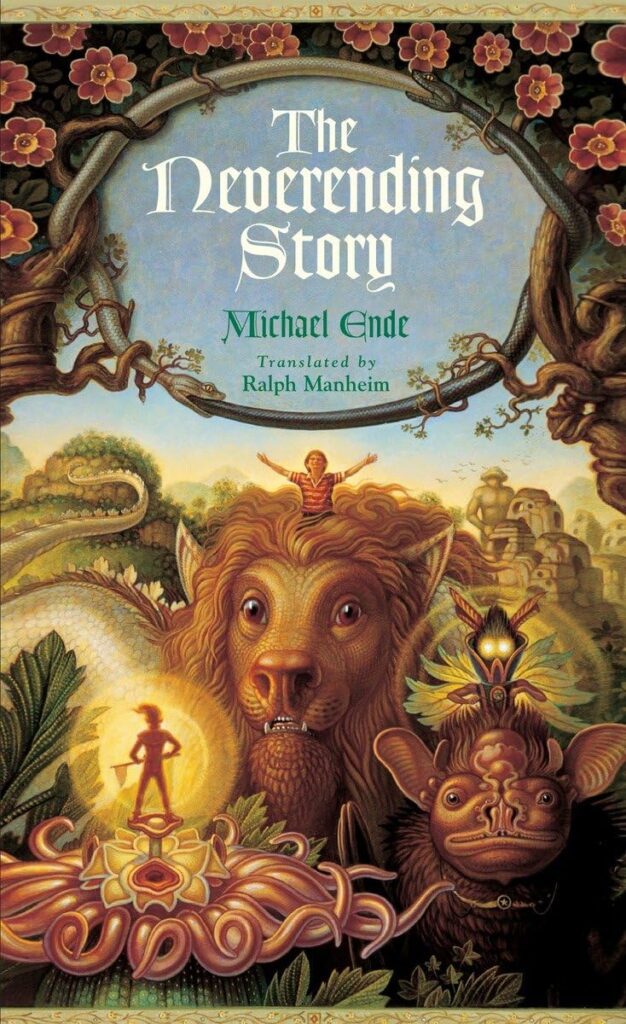
A richly imaginative, emotionally complex fantasy where flawed characters must confront themselves before they can grow. Not always comfortable to read, but deeply meaningful depending on your own life stage and personal journey.
Why It Resonated With Me:
The first time I read this story, I couldn’t connect with Bastian at all. I saw only his cowardice and later his cruelty. Now, after the choices and losses in my own life, I understand the arc more clearly. Transformation often comes only after you are broken down to almost nothing and rebuilt into someone capable of love again.
Final Thoughts:
This reread moved the book onto my wish list. I don’t agree with everything in it, but its honesty mattered to me.